

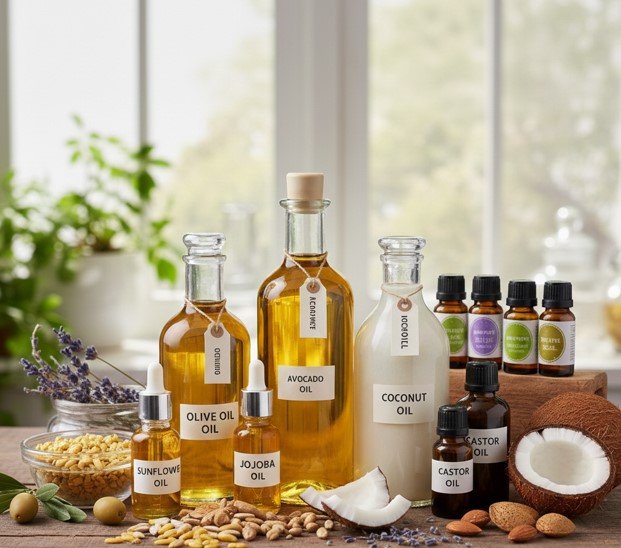
Plant oils have become a major part of modern diets, influencing how people cook, eat, and even think about nutrition. As consumers move toward healthier lifestyles, sustainability, and natural ingredients, the demand for plant oils continues to rise. This article explains the history, extraction, benefits, risks, and global impact of these valuable oils.
History and Origin of Plant Oil Use in Food
The use of plant oils has deep historical roots. Ancient Egyptians extracted oils from sesame and flax, using them for cooking, medicine, and ceremonial practices. In the Mediterranean, olive oil became a symbol of wealth and purity, influencing culinary traditions for thousands of years. Asian cultures relied heavily on coconut, mustard, and sesame oils, shaping regional cuisines that still thrive today.
As civilizations advanced, techniques for pressing seeds and nuts improved. With the industrial revolution, oil extraction shifted from manual pressing to large-scale mechanical production. This development made plant-based oils more accessible worldwide, transforming everyday diets and enabling the global spread of fried, baked, and processed foods.
Today, historical preferences for certain oils remain strong, but new consumer demands for health-focused and sustainable foods have revived interest in traditional, minimally processed oils.
How Plant Oils Are Extracted
The extraction process greatly affects the nutritional value and flavor of plant oils. There are three main extraction methods:
Cold-Pressing:
This technique uses minimal heat, keeping nutrients such as antioxidants and vitamin E intact. Cold-pressed oils like extra-virgin olive oil, sesame oil, and flaxseed oil offer rich flavors and superior purity.
Expeller Pressing:
A mechanical method that uses pressure to release oil from seeds. Although heat is produced through friction, it remains lower than industrial methods, allowing oils to retain natural plant compounds and healthy fatty acids.
Solvent Extraction:
Large-scale manufacturers use this method to extract oils like soybean and canola. While efficient and affordable, it can reduce the levels of delicate nutrients found in raw ingredients. Refining follows extraction to improve taste, color, and shelf stability.
Each method plays a role in the final quality, shelf life, and price of the oil available to consumers.
Types of Common Plant Oils
The variety of plant oils available today fits nearly every cooking style and flavor preference:
Olive Oil:
Rich in monounsaturated fats, known for heart-healthy properties and widely used in Mediterranean cooking.
Coconut Oil:
Popular for high-temperature cooking and baking; contains medium-chain triglycerides (MCTs) that support energy metabolism.
Sunflower Oil:
Light in flavor and high in vitamin E, suitable for frying and everyday cooking.
Canola Oil:
Versatile, neutral-tasting, and lower in saturated fats, making it ideal for both home and industrial food use.
Soybean Oil:
One of the world’s most widely consumed oils due to affordability and flexibility in food production.
Sesame Oil:
Known for its aromatic profile and antioxidants, often used in Asian cuisine.
Avocado Oil:
Offers high smoke point and rich levels of monounsaturated fats, gaining popularity in modern healthy eating trends.
Nutritional Composition of Plant Oils
Most plant oils provide a mixture of essential fatty acids, antioxidants, and vitamins. Their nutritional value largely depends on the plant source and extraction method.
Key components include:
- Omega-3 and Omega-6 fatty acids: important for heart and brain function
- Monounsaturated fats: found in olive and avocado oil, support cholesterol balance
- Polyunsaturated fats: abundant in sunflower, soybean, and corn oils
- Antioxidants: such as vitamin E, contributing to lower inflammation
- Plant sterols: help reduce LDL cholesterol levels
Compared to animal-based fats, plant-derived oils generally contain lower saturated fat levels, making them preferred choices for healthier diets.
Health Benefits of Using Plant Oils
The health advantages of plant oils have been widely researched. Some notable benefits include:
- Improved heart health due to reduced saturated fat intake
- Anti-inflammatory properties from antioxidants and essential fatty acids
- Better brain function supported by omega-3 fatty acids
- Enhanced nutrient absorption for fat-soluble vitamins like A, D, E, and K
- Support for skin and hair health due to natural plant compounds
Diets rich in oils such as olive, avocado, and flaxseed are associated with lower risks of chronic illnesses like heart disease, high blood pressure, and certain inflammatory conditions.
Potential Risks and Concerns of Plant Oils
Despite the advantages, not all plant oils offer equal health benefits. Overconsumption or improper use may introduce risks:
- Highly refined oils may lose nutrients and contain chemical residues
- Excess omega-6 intake from oils like soybean or corn may lead to inflammation
- Heat-sensitive oils can degrade when used for high-temperature frying
- Rancidity occurs when oils are stored improperly, affecting flavor and safety
Moderation and proper storage are essential to maximize benefits and minimize risks.
Also Read this:-How Prostadine Colibrim Can Enhance Your Health Routine
Plant Oils in Daily Cooking and Food Preparation
In modern kitchens, plant oils perform several roles:
- Frying due to high smoke points (sunflower, canola, avocado oil)
- Sautéing and roasting for flavor and texture
- Salad dressings using aromatic oils such as olive or sesame
- Baking as a substitute for butter, reducing saturated fat content
- Food manufacturing for snacks, baked goods, and packaged meals
The convenience and versatility of these oils make them indispensable in everyday food preparation.
Comparison: Plant Oils vs. Animal-Based Oils
Plant oils generally offer a healthier profile compared to animal fats. Here’s how they differ:
Plant Oils:
- High in healthy unsaturated fats
- Lower in cholesterol
- Provide antioxidants and essential fatty acids
- More sustainable and environmentally friendly
Animal-Based Oils (like butter, lard, ghee):
- Higher in saturated fats
- Naturally contain cholesterol
- Stronger flavors but limited by lower smoke points
Many consumers prefer plant-derived options for nutritional and environmental reasons.
Popular Plant Oils Around the World
Different regions rely on specific plant oils based on culinary traditions and agriculture:
- Mediterranean: Olive oil dominates regional cooking
- South Asia: Mustard, coconut, and peanut oils shape traditional dishes
- East Asia: Sesame and soybean oils add flavor and depth
- South America: Palm and avocado oils are widely used
- Africa: Baobab and palm kernel oils hold cultural significance
These cultural differences contribute to the global diversity of plant-based cooking practices.
Sustainability and Environmental Impact
Sustainability plays a significant role in modern food trends. Many plant oils offer environmentally friendly benefits compared to animal-based fats. However, concerns exist regarding:
- Deforestation linked to palm oil production
- Water usage for crops like soybean
- Carbon emissions from large-scale farming
Choosing certified sustainable oils and supporting eco-friendly farming methods can help reduce environmental impact.
How to Choose High-Quality Plant Oils
When selecting the best oils for health and cooking, consider:
- Cold-pressed or extra-virgin options for richer nutrients
- Dark glass bottles to protect oils from light damage
- Checking smoke points for intended cooking methods
- Ensuring freshness by checking production and expiry dates
- Choosing reputable, sustainable brands
High-quality oils enhance both flavor and nutritional value.
Conclusion
As consumer preferences evolve toward healthier, natural, and environmentally responsible foods, plant oils continue to shape global culinary trends. Their diverse benefits—from improved heart health to sustainable food production—make them essential ingredients in modern diets. With ongoing research, evolving extraction technologies, and rising awareness, plant-derived oils will remain central to the future of food innovation.
FAQs
What are the healthiest plant oils?
Olive, avocado, and flaxseed oils are considered among the healthiest due to their high levels of beneficial fats and antioxidants.
Can plant oils be used for frying?
Yes, oils like sunflower, avocado, and canola have high smoke points suitable for frying.
Do plant oils expire?
Yes, most plant-based oils last between six months and two years depending on type and storage.
Are refined oils unhealthy?
Not necessarily, but they have fewer nutrients than cold-pressed or extra-virgin options.
Visit for more information:- existingformore