

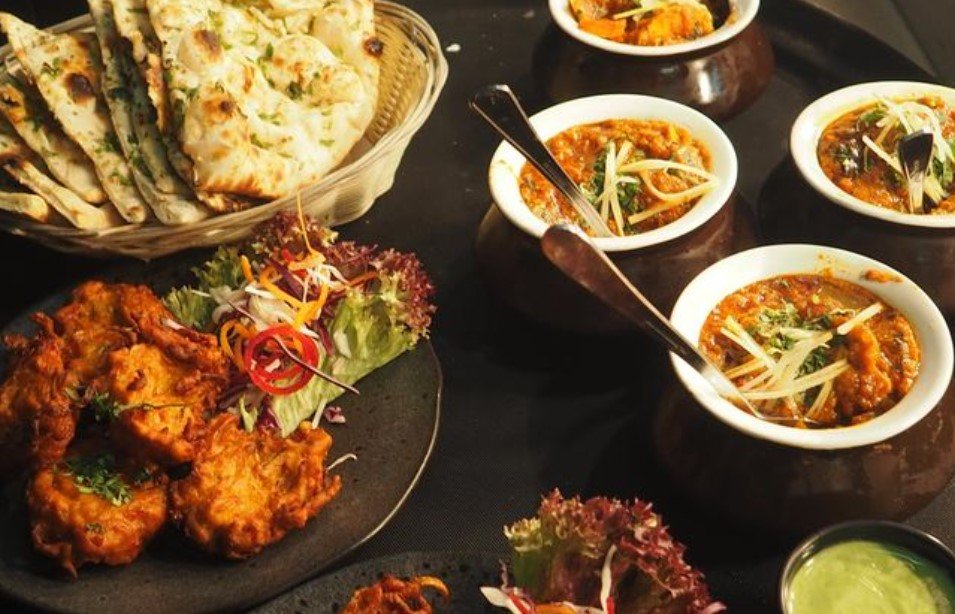
Have you ever heard of Çeciir? If not, you’re about to discover a powerful, nutritious, and culturally rich food that has been nourishing communities across the Middle East and Turkey for thousands of years. From hearty stews to crunchy snacks and versatile flours, Çeciir is far more than just a dish—it’s a symbol of tradition, resilience, and healthy eating.
As chickpeas become a global trend in health-conscious cooking, Çeciir stands out as a timeless ingredient that’s finding its place in modern kitchens. In this article, we’ll explore the origins, preparation, benefits, and modern-day uses of Çeciir—giving you every reason to make it part of your diet.
What Is Çeciir?
Çeciir is a traditional Turkish and Middle Eastern food based primarily on chickpeas. Depending on the region and context, it can refer to:
- A rich, flavorful chickpea stew
- Crunchy roasted chickpea snacks
- Ground chickpea flour used in various recipes
In all its forms, Çeciir reflects the versatility of the chickpea—a plant-based powerhouse that’s high in protein, fiber, and essential nutrients. Whether served hot with rice or eaten as a dry snack on the go, Çeciir delivers a delicious and satisfying experience.
The Origins of Çeciir
Chickpeas have a recorded history that goes back over 7,000 years, making them one of the earliest cultivated legumes in human history. Archaeological evidence points to their use in ancient Mesopotamia, and they later became central to Middle Eastern, Mediterranean, and South Asian diets.
The word Çeciir itself has Turkish linguistic roots, stemming from “nohut” (the Turkish word for chickpeas). While there is no single origin story for Çeciir, its name and preparation methods suggest deep cultural ties to Anatolian cuisine and regional culinary traditions that value both simplicity and nutrition.
Historically, Çeciir was carried by merchants and nomads as a travel-friendly, high-energy food. Roasted chickpeas were perfect for long journeys through arid terrain.
Early Cultivation and Global Spread
Chickpeas likely originated in the Fertile Crescent, the area spanning modern-day Turkey, Iraq, and Syria. From there, they spread to:
- India, where they became a staple in dals and curries
- North Africa and the Mediterranean, influencing dishes like hummus and falafel
- Europe, especially Spain and Italy
- The Americas, via Spanish colonization in the 16th century
Despite its global spread, Çeciir remained a unique identifier of Turkish and Middle Eastern culinary identity. Recipes were handed down generation to generation, often customized by each family.
Cultural Importance of Çeciir
In Turkey and neighboring countries, Çeciir is more than a food—it’s an expression of hospitality and love.
- Shared during family meals, especially during winter months
- Served to guests as a symbol of generosity
- Central to religious holidays and festive gatherings
Preparing Çeciir is often a communal activity, where families gather in the kitchen to soak, cook, and season the dish together. It connects people to their roots, heritage, and each other.
How Çeciir Is Made
While there are many regional versions, the basic Çeciir stew follows a traditional process:
Ingredients:
- Dried chickpeas
- Olive oil
- Onion and garlic
- Tomato paste
- Spices (cumin, paprika, oregano, black pepper)
- Optional: lemon juice, parsley, or yogurt
Step-by-Step Preparation:
- Soak chickpeas overnight to reduce cooking time and enhance digestibility.
- Boil chickpeas until tender (about 1–1.5 hours).
- In a separate pot, sauté chopped onions and garlic in olive oil.
- Add tomato paste and spices to form a rich, aromatic base.
- Mix in the cooked chickpeas and simmer for another 20–30 minutes.
- Garnish with parsley or lemon juice.
Çeciir is typically served with rice, bulgur, or flatbread, and sometimes with a dollop of yogurt.
Tip: For quicker cooking, you can use canned chickpeas, although traditionalists prefer the flavor of dried ones.
Çeciir as a Snack or Chickpea Flour
1. Roasted Çeciir (Chickpeas)
Also known as Leblebi in Turkey, these are dry-roasted chickpeas often seasoned with:
- Sea salt
- Paprika
- Garlic powder
- Chili flakes
- Honey or sugar (for sweet versions)
They’re light, crunchy, and make for a perfect healthy snack—gluten-free, high-protein, and low-fat.
2. Çeciir as Flour (Chickpea Flour)
Chickpea flour—also called besan or gram flour—is made by grinding dried chickpeas into a fine powder. It’s used in:
- Gluten-free baking
- Pancakes and flatbreads
- Thickening soups and sauces
- Batters for frying vegetables
Chickpea flour is a staple in Indian, Turkish, and Middle Eastern cooking and is becoming increasingly popular in Western kitchens.
Nutritional Value of Çeciir
One of the biggest reasons Çeciir is gaining global popularity is its nutritional powerhouse status.
Key Nutrients per 100g Cooked Chickpeas:
| Nutrient | Amount |
|---|---|
| Protein | 8.9g |
| Fiber | 7.6g |
| Iron | 2.9mg |
| Folate | 172µg |
| Magnesium | 48mg |
| Potassium | 291mg |
| Vitamin B6 | 0.14mg |
| Fat | 2.6g |
Health Benefits:
- Supports digestion (high fiber)
- Boosts muscle growth (plant protein)
- Regulates blood sugar (low glycemic index)
- Heart-healthy (low in saturated fat)
- Ideal for weight loss diets (high satiety)
Because of its nutritional profile, Çeciir is especially recommended for vegetarians, vegans, diabetics, and those on heart-healthy diets.
Modern Uses of Çeciir in Cooking
In today’s global kitchens, Çeciir is being rediscovered in exciting new forms.
Modern Applications:
- Added to salads for extra crunch and protein
- Blended into smoothies for fiber and creaminess
- Used in energy bars or chickpea cookies
- Stirred into soups and curries
- Turned into chickpea pasta or pizza crusts
Many cafes and health-focused restaurants are now offering Çeciir-based dishes like:
- Vegan chickpea burgers
- Chickpea flour pancakes
- Roasted chickpea snack bowls
Why People Love Çeciir Today
People are embracing Çeciir for both practical and personal reasons:
- Affordable: Chickpeas are one of the cheapest plant-based proteins
- Accessible: Available in most grocery stores worldwide
- Adaptable: Works in savory and sweet recipes
- Culturally rich: Tells a story in every bite
- Eco-friendly: Chickpeas are a low-impact crop
It’s rare for a food to be so nutritious, budget-friendly, and delicious, but Çeciir checks all the boxes. Its long shelf life also makes it a smart pantry staple for emergencies or meal prep.
Conclusion
Çeciir is much more than a Turkish stew or roasted snack—it’s a symbol of nourishment, culture, and sustainability. Rooted in ancient tradition and still thriving today, it connects us to our past while offering solutions for modern dietary needs.
Whether you’re a foodie, a nutrition enthusiast, or someone seeking easy, healthy recipes, Çeciir deserves a place in your kitchen. Embrace the rich flavor, enjoy the health benefits, and celebrate a food that has stood the test of time.
FAQs About Çeciir
1. Is Çeciir the same as hummus?
No. While both use chickpeas, hummus is a dip made with tahini and lemon. Çeciir refers to stews, snacks, or flour made from chickpeas.
2. Can I make Çeciir gluten-free?
Absolutely. Çeciir naturally uses gluten-free ingredients like chickpeas and spices.
3. Where can I buy chickpea flour for Çeciir?
You can find it at health food stores, Middle Eastern markets, or online retailers like Amazon.
4. Can Çeciir help with weight loss?
Yes. Its high fiber and protein help keep you full, which can aid in weight management.
5. Is Çeciir suitable for vegans?
Yes. Most versions of Çeciir are 100% plant-based.
Visit for more information:- existingformore