

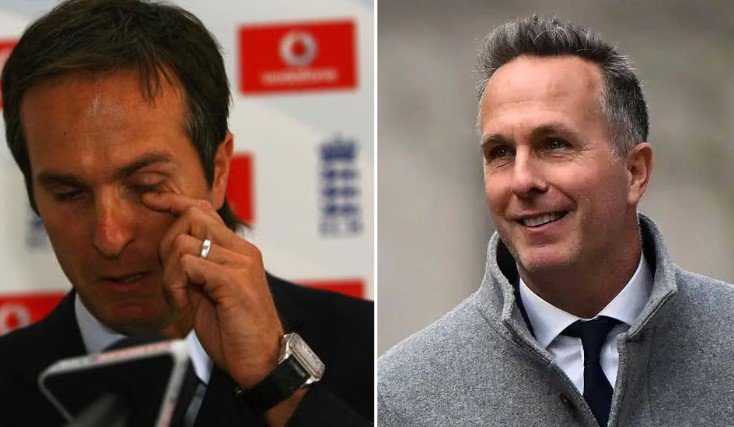
Few names in English cricket shine as brightly as Michael Vaughan, a player and captain who transformed England’s fortunes on the field. Known for his sharp cricketing mind, graceful batting, and calm leadership, Vaughan remains one of the most admired figures in modern cricket. His story reflects not only success but also resilience, passion, and legacy.
Quick Bio
| Full Name | Michael Paul Vaughan |
|---|---|
| Date of Birth | October 29, 1974 |
| Place of Birth | Manchester, England |
| Nationality | British |
| Profession | Former Cricketer, Commentator |
| Role in Team | Batsman, Former Captain |
| Batting Style | Right-hand batsman |
| Height | 6 feet (1.83 m) |
| Coach | Duncan Fletcher |
| Children | 3 |
| Current Age (2025) | 51 years |
Early Life and Background
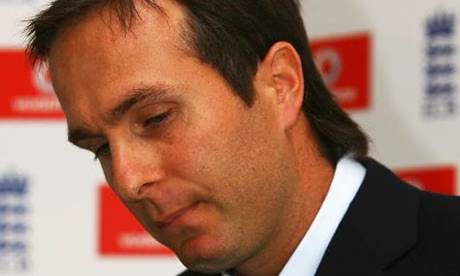
Born in Manchester, England, on October 29, 1974, Michael Vaughan grew up in a modest yet sports-loving family. From a young age, he showed immense enthusiasm for cricket, often spending hours practicing in the backyard. His family recognized his potential early and encouraged him to pursue his dreams. Although his childhood was ordinary, his determination was extraordinary — a trait that would later define his career as a cricketer and captain.
Education and Early Cricket Involvement
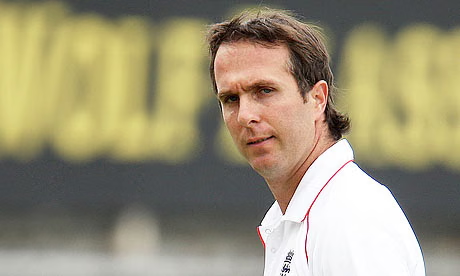
Vaughan attended Silverdale School in Sheffield, where his interest in sports flourished. Cricket became more than just a hobby; it became a calling. During his school years, his talent for timing the ball and reading the game was evident. He joined local youth cricket clubs, where coaches quickly noticed his elegant batting style. By his late teens, he had earned a place in the Yorkshire County Cricket Club’s youth setup — a turning point that marked the beginning of his professional journey.
Domestic Cricket Career
Playing for Yorkshire gave Michael Vaughan the platform to develop his craft. His performances in domestic matches caught the attention of selectors and cricket followers alike. Known for his technically sound batting and strong temperament, Vaughan quickly became one of Yorkshire’s most dependable players.
In the late 1990s, he began producing consistent scores, leading to his eventual call-up for England. His dedication, calm approach, and hunger for improvement made him a standout talent in the English county circuit.
Rise to International Cricket
Vaughan’s international debut for England came in 1999, a time when English cricket was undergoing transition. His early performances were steady, but his true breakthrough arrived during the 2002–2003 Ashes series, where he scored three magnificent centuries against Australia. That series earned him respect worldwide and solidified his reputation as one of the finest batsmen of his generation.
His ability to dominate top-quality bowlers with grace and precision reflected his deep understanding of the game. It was during this period that Vaughan’s leadership qualities also began to shine.
Captaincy and Leadership Era
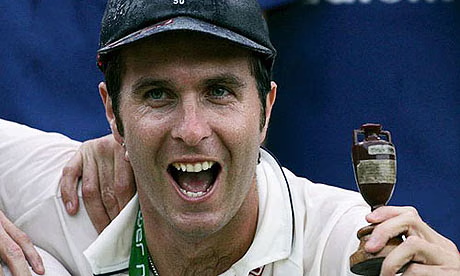
In 2003, Michael Vaughan was appointed as the captain of the England cricket team, a decision that would redefine English cricket. Under his leadership, England began to play with newfound confidence and tactical discipline. The highlight of Vaughan’s captaincy came in 2005, when he led England to a historic Ashes victory against Australia — their first in 18 years.
His calm decision-making, positive attitude, and trust in his players turned him into a national hero. Many teammates described him as a “player’s captain,” someone who could bring out the best in everyone. His tenure as captain remains one of the most celebrated chapters in England’s cricketing history.
Playing Style and Strengths
Michael Vaughan was known for his elegant batting technique and classical stroke play. His cover drives and on-side flicks were admired by fans and critics alike. As a batsman, he combined timing with mental strength, making him a reliable performer in both Test and One Day formats.
Vaughan’s strength lay in his ability to read bowlers early and play with patience and precision. Whether opening the innings or batting in the middle order, he displayed composure in high-pressure situations — a rare quality that defined his career.
Age and Physical Appearance
As of 2025, Michael Vaughan is 51 years old, yet he still carries the aura of a sportsman. Standing tall at 6 feet (1.83 m), he maintains a fit and athletic build through regular workouts and a disciplined lifestyle. During his playing days, Vaughan’s sharp fielding and agile movements were key assets. His confident posture and focused demeanor often gave his teammates reassurance, reflecting the leadership that became synonymous with his name.
Injuries and Challenges
Like many elite athletes, Michael Vaughan faced several injuries during his career, particularly knee problems that repeatedly sidelined him. These injuries tested his patience and determination. Missing crucial matches was emotionally draining, but Vaughan’s resilience was remarkable.
He used every recovery phase as an opportunity to improve his mental game. Despite physical setbacks, his ability to lead and motivate his team never diminished. These challenges, instead of defining his limitations, highlighted his inner strength and professionalism.
Retirement and Post-Cricket Career
Vaughan officially retired from international cricket in 2009, marking the end of an illustrious era. However, retirement didn’t keep him away from the sport he loved. Soon after, he transitioned into a successful cricket commentator and analyst, sharing insights on major sports networks like BBC and Channel 5.
His sharp analysis, humor, and honest opinions have made him one of the most respected voices in cricket broadcasting. Beyond commentary, Vaughan has also been involved in cricket development initiatives, mentoring young players and promoting the spirit of fair play.
Personal Life and Relationships
Outside the cricket field, Michael Vaughan leads a fulfilling personal life. Family has always been a source of strength and motivation for him. Despite the demands of a public career, Vaughan is known to prioritize his loved ones.
He enjoys golf, fitness, and spending time with family. Friends describe him as down-to-earth, humorous, and humble — qualities that make him admired not only as a cricketer but also as a person.
Awards and Achievements
Throughout his career, Michael Vaughan collected numerous honors. Among his greatest achievements was being named Wisden Cricketer of the Year (2003) and BBC Sports Personality of the Year (Team Award 2005) as England’s captain.
Under his captaincy, England won 26 out of 51 Test matches — a record that stood as one of the best for an English leader at that time. His batting statistics, including over 5,700 Test runs, underline his quality and consistency. Even after retirement, Vaughan’s contributions continue to inspire new generations.
Legacy and Influence on English Cricket
Michael Vaughan’s legacy is more than just statistics. He changed how English cricket approached challenges, emphasizing strategy, team spirit, and self-belief. His leadership style inspired a new generation of cricketers who went on to achieve great success for England.
Vaughan is often credited for laying the foundation for England’s later triumphs in Test and limited-overs formats. Even today, his insights as a commentator help fans understand the finer points of the game, keeping his influence alive in cricket’s modern era.
FAQs
Who is Michael Vaughan?
Michael Vaughan is a former English cricketer and captain who led England to their famous 2005 Ashes victory.
When was Michael Vaughan born?
He was born on October 29, 1974, in Manchester, England.
What is Michael Vaughan’s batting style?
He is a right-handed batsman known for his elegant and classical stroke play.
When did Michael Vaughan retire from cricket?
He retired from international cricket in 2009.
What is Michael Vaughan doing now?
He works as a cricket commentator and media personality, often seen on BBC and other sports networks.
What is Michael Vaughan’s greatest achievement?
His most iconic achievement was leading England to win the 2005 Ashes series against Australia.
Visit for more information:- existingformore