

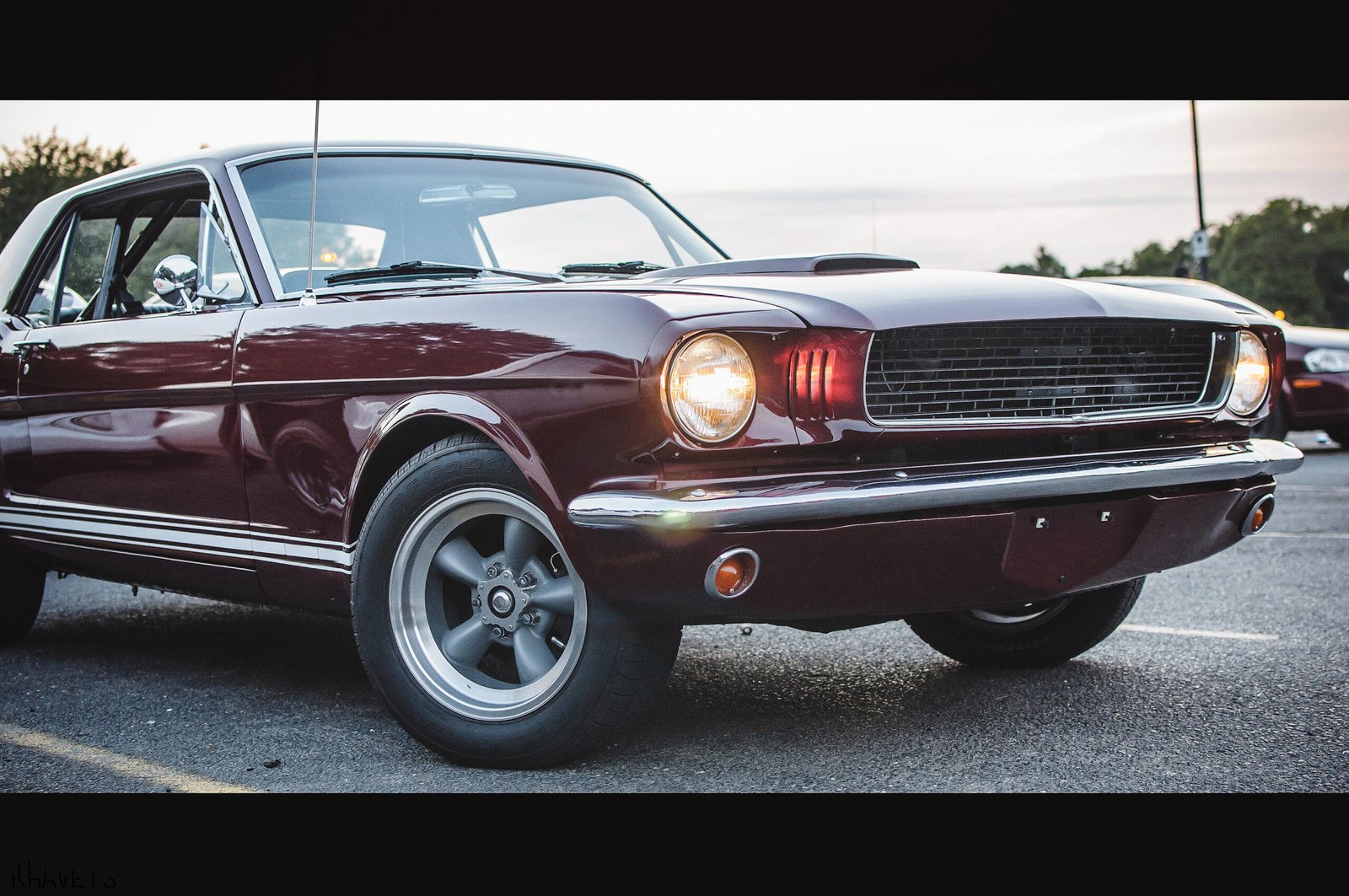
The gt500 has earned its place as one of the most recognized names in high-performance sports history. Known for its explosive power and dominating presence, it represents the perfect fusion of athletic engineering and motorsport spirit. Drivers and fans admire it not just as a machine, but as a symbol of ambition, strength, and competitive excellence.
Brief History and Evolution of the GT500
The story of the gt500 began with a bold idea: creating a road-ready car that offered professional-level racing performance. The earliest models were engineered under the direction of Carroll Shelby, a legendary figure in American motorsports. Over the decades, the gt500 evolved through multiple technological eras—each generation becoming faster, stronger, and more refined.
From carbureted V8 powerhouses of the late 1960s to modern supercharged engines capable of staggering horsepower, the evolution of the gt500 reflects continuous innovation. Every upgrade, redesign, and technological leap was aimed at elevating performance and redefining what a true sports machine could achieve.
GT500’s Origins: How It All Began
The origins of the gt500 lie in a powerful collaboration between Ford and Carroll Shelby, who envisioned a Mustang variant that pushed the boundaries of racing capability. Shelby’s modifications transformed the standard Mustang into something far more aggressive, with improved handling, enhanced aerodynamics, and significantly more power.
The earliest gt500 models quickly gained fame in motorsports circles due to their superior track performance. Their reputation for delivering consistent power, reliability, and speed laid the foundation for a legacy that still thrives today.
GT500’s Age and Generational Timeline
The gt500 is more than five decades old, but its vitality has never faded. Each generation reflects the automobile industry’s technological landscape of its era.
Key milestones in the timeline include:
- Late 1960s: Birth of the first high-performance Shelby versions
- Early 2000s: Revival era with improved power and modern design elements
- 2010s–present: Introduction of supercharged engines surpassing 700 horsepower
Today, the gt500 continues to evolve, integrating cutting-edge engineering while respecting the heritage that made it iconic.
Physical Appearance and Exterior Design
The exterior design of the gt500 is unmistakably athletic and bold. Its aggressive front fascia, sculpted hood, wide stance, and aerodynamic curves give it a commanding presence. Designers have always ensured that the exterior speaks both of beauty and performance.
Key design traits include:
- A pronounced grille for optimized airflow
- Aerodynamic spoilers and diffusers
- Wide wheels for better traction and road control
- A fastback silhouette that enhances speed and stability
Every contour and line serves a purpose, contributing to both style and performance. The exterior identity of the gt500 has become a visual signature in the sports world.
Also Read This:- Achieve a Fresh Lifestyle Using the Best Cleaning Products
Interior Features and Aesthetic Identity
Inside, the gt500 balances comfort with a racing-inspired aesthetic. Sleek dashboard layouts, performance-oriented gauges, and sport-focused seating contribute to an immersive driving environment. High-quality materials such as leather, carbon fiber, and aluminum provide durability and elegance.
Modern models feature:
- Digital performance readouts
- Track-ready driving modes
- Customizable displays
- Advanced entertainment and navigation systems
The interior of the gt500 enhances the overall driving experience, ensuring every moment feels connected to its racing DNA.
Engine Power and Performance Specifications
If any element defines the gt500, it is its extraordinary engine performance. Throughout its history, the model has consistently delivered world-class power outputs that rival professional racecars. Modern versions often exceed 700–760 horsepower, propelled by supercharged V8 engines capable of breathtaking acceleration.
Performance highlights include:
- 0–60 mph times under 4 seconds
- High-speed stability for track use
- Advanced cooling systems for sustained performance
- Enhanced braking and suspension technologies
The gt500 stands as a masterclass in engineering, offering speed and power that elevate it above many competitors in the sports automotive world.
Also Read This:- Axurbain: A Lifestyle Movement That’s Redefining Modern Urban Living
GT500 in Motorsports and Sports Culture
The gt500 enjoys a legendary status in motorsports, often praised for its consistency, durability, and raw speed. Beyond professional racing, the car has become a cultural phenomenon, inspiring fans, athletes, filmmakers, and designers.
Its presence in movies, racing events, and enthusiast gatherings has turned it into a global symbol of adrenaline and competitive spirit. In sports culture, the gt500 represents the pursuit of excellence—an icon admired for pushing boundaries both on and off the track.
GT500 Relations: Model Lineage & Connected Vehicles
Within the Mustang family, the gt500 shares its heritage with several high-performance relatives. Notable connected vehicles include the GT350, Boss 302, Mach 1, and various Shelby performance models. Each contributes to the broader lineage of American performance engineering.
These relationships highlight how the gt500 fits into a larger ecosystem of sports and muscle cars, all designed to explore the limits of speed and innovation.
Popularity, Fanbase, and Cultural Impact
Few vehicles enjoy the devoted fanbase of the gt500. Enthusiasts admire its unique combination of power, history, and design. Car clubs, online communities, and motorsport events frequently celebrate the model, keeping its legacy alive across generations.
Culturally, the gt500 stands as a symbol of freedom, ambition, and competitive drive. Its influence reaches far beyond automotive circles—into sports culture, entertainment, and lifestyle branding.
Notable Special Editions and Milestones
Several special editions of the gt500 have marked important milestones in its history. These limited-production models often feature exclusive styling, tuned engines, and unique performance packages.
Some highlights include:
- Anniversary models celebrating historical milestones
- Track-focused editions with lightweight components
- Collector editions with rare design accents
These special models not only enhance the brand’s heritage but also appeal to dedicated enthusiasts seeking exclusivity and higher performance.
Modern-Day GT500: Technology & Upgrades
Modern gt500 models incorporate advanced technologies that elevate both safety and performance. These upgrades include enhanced aerodynamics, driver-assist features, improved supercharging systems, and precision-engineered suspensions.
Contemporary models offer:
- Real-time performance monitoring
- Multiple drive mode configurations
- Enhanced traction and stability systems
- Improved fuel efficiency despite high horsepower
The fusion of modern tech with classic muscle attributes keeps the gt500 relevant and competitive in today’s sports environment.
Conclusion: Why the GT500 Remains a Sports Icon
The gt500 endures as a timeless symbol of speed, strength, and sports excellence. Its blend of historic value, cutting-edge engineering, and cultural influence sets it apart from its competitors. Whether on the track or in the spotlight, the gt500 continues to inspire generations with its bold spirit and unmatched performance.
Its legacy is not merely mechanical—it is emotional, cultural, and deeply rooted in the world of sports. For enthusiasts and athletes alike, the gt500 represents the ultimate pursuit of power and perfection.
FAQs
What makes the gt500 unique?
Its unmatched combination of power, heritage, and performance engineering.
Is the gt500 good for track racing?
Yes, it is built with advanced performance features perfect for track use.
How powerful is the modern gt500?
Recent models often exceed 700 horsepower.
What cars compete with the gt500?
The Camaro ZL1 and Dodge Hellcat are its closest rivals.
Visit for more information:- existingformore