

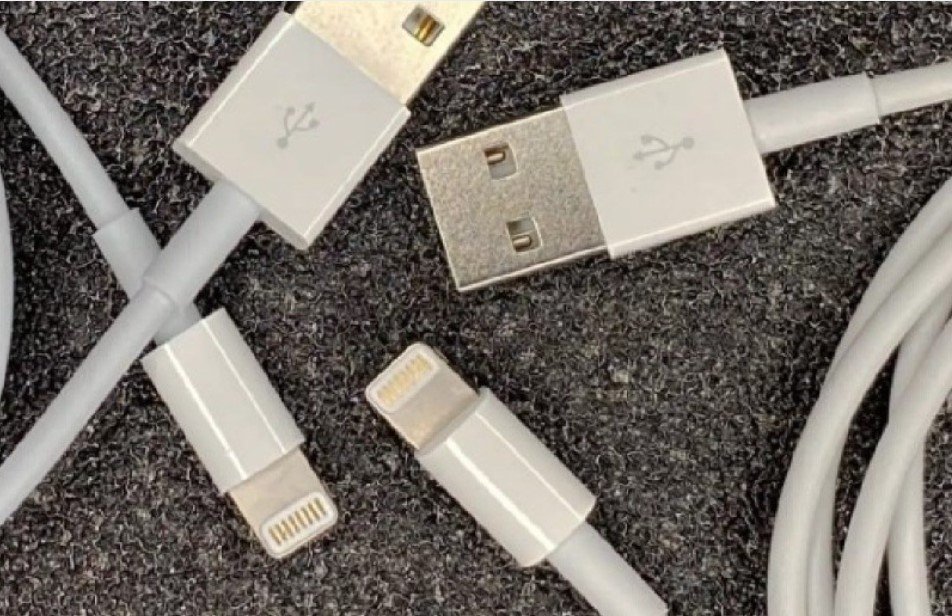
The world of cybersecurity is full of myths, rumors, and half-truths, but one device has captured public imagination more than almost any other: the NSA OMG cable. Often described as a seemingly innocent charging cable with extraordinary surveillance capabilities, the OMG cable has become a symbol of modern cyber espionage, hardware hacking, digital infiltration, and covert intelligence operations. Although a commercial version called the O.MG Cable exists for research purposes today, the concept traces its roots to stories surrounding intelligence-grade tools reportedly used by highly sophisticated government agencies.
This article provides a clear, comprehensive, and deeply researched look into what the NSA OMG cable is believed to be, how its capabilities work, why cybersecurity professionals study it, and what it reveals about the future of digital security. Written with an emphasis on expertise, real-world accuracy, and responsible analysis, this guide is designed to help readers understand both the technology and the broader implications surrounding covert hardware implants.
Understanding the NSA OMG Cable Concept
At the center of discussions is a cable designed to look identical to a standard USB cable but engineered to contain miniature electronic components capable of capturing data, logging keystrokes, remotely executing commands, or establishing a backdoor into a target device. This idea gained mainstream attention after leaked intelligence documents revealed that intelligence agencies had developed tools disguised as common electronics accessories.
The most famous modern recreation of this concept is the O.MG Cable, released by security researcher MG. While not connected to the NSA, it demonstrated how hardware implants can be embedded inside a cable thin enough to be indistinguishable from a regular charging cable. This real-world example helped illustrate just how feasible high-tech cable espionage truly is.
The phrase “NSA OMG cable” has since become shorthand for any covert cable-based spying device associated with advanced intelligence capabilities.
How the NSA OMG Cable Works
Even though the exact specifications of intelligence-grade versions remain classified, we can understand the cable’s likely capabilities by combining known research, publicly documented hardware exploits, and professional cybersecurity analysis.
Covert Electronic Implantation
The cable contains:
- A microcontroller
- Wi-Fi or radio communication components
- Data interception firmware
- A power-efficient antenna embedded in the connector
- Specialized trigger mechanisms
These components enable the cable to function both as a normal charging/data cable and a stealth surveillance tool.
Wireless Activation and Control
The cable can create its own wireless network or connect to an existing one. Through this network, an operator can:
- Access the cable remotely
- Trigger keystroke injection
- Install malware
- Retrieve logged data
- Execute payloads
Many modern security research cables operate within a short wireless range, but an intelligence-built cable could potentially reach much farther, depending on design.
Keystroke Injection and Device Control
Once connected to a laptop, tablet, or smartphone, the cable can mimic a keyboard. Using this method, known as HID injection, it can:
- Type commands invisibly
- Launch malicious scripts
- Open remote access windows
- Install spyware
This gives an attacker immediate and silent control of the device.
Data Logging and Exfiltration
The cable could potentially capture:
- Passwords
- Messages
- Keystrokes
- Account credentials
- Browser activity
- Authentication tokens
Captured data is then transmitted through the cable’s covert wireless channel.
Firmware Disguise
Advanced cables use firmware that:
- Hides malicious processes
- Masks unauthorized data transmissions
- Mimics normal cable behavior
- Prevents detection by antivirus tools
This makes forensic discovery extremely challenging.
Why Intelligence Agencies Would Use a Device Like the NSA OMG Cable
Cables are ideal vehicles for covert surveillance due to their ubiquity and trust factor. Everyone uses charging cables at home, at work, in hotels, and in public spaces. Intelligence agencies value tools that:
- Blend into everyday life
- Offer reliable access
- Allow for close-range infiltrations
- Are difficult for targets to suspect
- Don’t trigger digital alarms
A cable-based implant can also bypass many security barriers because:
- It physically connects to the device
- It bypasses wireless defenses
- It leverages trusted USB protocols
In espionage environments, gaining physical proximity is often easier than installing remote malware, making hardware implants like the NSA OMG cable exceptionally valuable.
Also Read This:- Nintendo 64 2025: Analogue 3D Revives a Classic Console in 4K
The Rise of O.MG Cable and Public Awareness
Security researcher MG created the first publicly demonstrated cable that worked like this. Although not an NSA device, the O.MG Cable:
- Looks identical to a Lightning, USB-C, or USB-A cable
- Contains a hidden microcontroller
- Can run keystroke injection attacks
- Can create a Wi-Fi network for remote control
- Includes self-destruct firmware capabilities
- Supports payload triggers
Its release proved that such technology is possible even without state-level resources.
This revelation solidified the public image of the NSA OMG cable, showing that real-world hardware implants could be compact, powerful, and nearly undetectable.
Practical Security Risks Posed by NSA-Grade Cable Implants
Devices like the NSA OMG cable highlight several alarming realities in modern cybersecurity.
Supply Chain Vulnerabilities
Cables can be intercepted and modified during:
- Shipping
- Manufacturing
- Customs inspections
- Large-scale procurement
This is a documented tactic used by intelligence agencies.
Insider Threats
A malicious cable can be:
- Given as a “gift”
- Left on someone’s desk
- Installed by cleaning staff
- Plugged in by unaware employees
Internal environments are often easier to breach than external networks.
Public Charging Stations
Cables at:
- Hotels
- Airports
- Cafes
- Offices
may not be trustworthy if they have been swapped or tampered with.
Remote Injection of Malware
A hidden cable implant allows attackers to:
- Install spyware
- Breach corporate networks
- Compromise high-value targets
- Steal encrypted data
All without physical contact after installation.
How to Recognize a Dangerous Cable
Unfortunately, intelligence-grade devices are nearly impossible to identify visually. However, there are warning signs:
Unexpected Cables Appearing in Your Environment
If a cable appears:
- Gifted
- Left behind
- Found on the floor
- Delivered unexpectedly
treat it as suspicious.
Devices Behaving Strangely When Plugged In
Signs include:
- Sudden windows opening
- Cursor movement
- Unexpected scripts launching
- High CPU usage
Wireless Network Anomalies
Some cables broadcast a network signal, which may appear as:
- Random Wi-Fi names
- Hidden networks
- Short-range access points
Physical Weight Differences
A cable carrying extra electronics may weigh slightly more, though this is not a reliable method.
Also Read This:- Tesla Screen Review: The Digital Heart of the Model S
Protecting Yourself Against Spy Cables
Due to their stealth, hardware implants require a multi-layered defense strategy.
Use Your Own Trusted Cables Only
Avoid borrowing cables from:
- Hotels
- Workplaces
- Public charging stations
- Friends or acquaintances
Purchase From Reputable Manufacturers
Even this is not foolproof, but reduces risk.
Use Charge-Only Adapters
USB data blockers physically prevent data transfer.
Implement Endpoint Security Controls
Monitor for unusual USB HID activity.
Physical Security in Sensitive Environments
Lock down offices, enforce cable control policies, and train staff to recognize suspicious items.
Ethical Use of Research Tools Like the O.MG Cable
While inspired by espionage concepts, commercial O.MG cables are designed for:
- Cybersecurity training
- Red-team operations
- Penetration testing
- Defensive awareness
They help organizations strengthen defenses against hardware-based threats. However, unauthorized use is illegal and unethical.
Security professionals emphasize:
- User consent
- Responsible use
- Legal compliance
- Documentation and transparency
This ensures that research tools do not become weapons in the hands of malicious actors.
Lessons the NSA OMG Cable Teaches About Future Cybersecurity
The emergence of exploit cables signals several important trends:
Hardware Hacking Will Increase
As defenses improve, attackers target the physical layer.
Miniaturization Makes Espionage Easier
Chips are now small enough to hide in almost anything.
Supply Chain Security Is a Global Priority
Nations now question the safety of imported electronics.
Traditional Software-Based Defenses Are Not Enough
Organizations must evolve beyond firewalls, antivirus, and encryption.
Zero Trust Models Must Include Physical Devices
Trust should not be automatically granted to accessories or peripherals.
Conclusion: The True Importance of Understanding the NSA OMG Cable
The NSA OMG cable, whether referring to alleged intelligence versions or the well-known research variant, serves as a powerful reminder of how vulnerable modern technology can be. It is not merely a hacker gadget or spy toy—it represents a deeper shift in how infiltration is performed, how data is compromised, and how physical-digital boundaries blur.
By understanding how such a cable works, individuals and organizations can make better decisions about cybersecurity, hardware control, and digital hygiene. The device highlights both the creativity of attackers and the responsibility of security professionals to stay informed, vigilant, and prepared.
Knowledge is the first defense. Awareness is the second. Implementing safeguards is the third.
In an era where everyday objects can hide extraordinary capabilities, every device becomes a potential vulnerability—and a reminder to take security seriously.
FAQs
What is the NSA OMG cable?
It is a term referring to a covert USB cable alleged to be capable of spying, keystroke logging, and wireless remote control. The concept resembles real-world cyber research tools such as the O.MG Cable.
Can an OMG cable look like a normal charging cable?
Yes. It is designed to be visually indistinguishable from a standard USB or charging cable.
Does the cable require physical access?
Only initial physical connection. After that, it can operate wirelessly within its range.
Is it dangerous for everyday users?
The risk is low for casual consumers but higher in corporate, government, or high-value environments.
How can I protect myself?
Use trusted cables, avoid public chargers, employ USB data blockers, and maintain security awareness.
Visit for more information:- existingformore
 David
David