

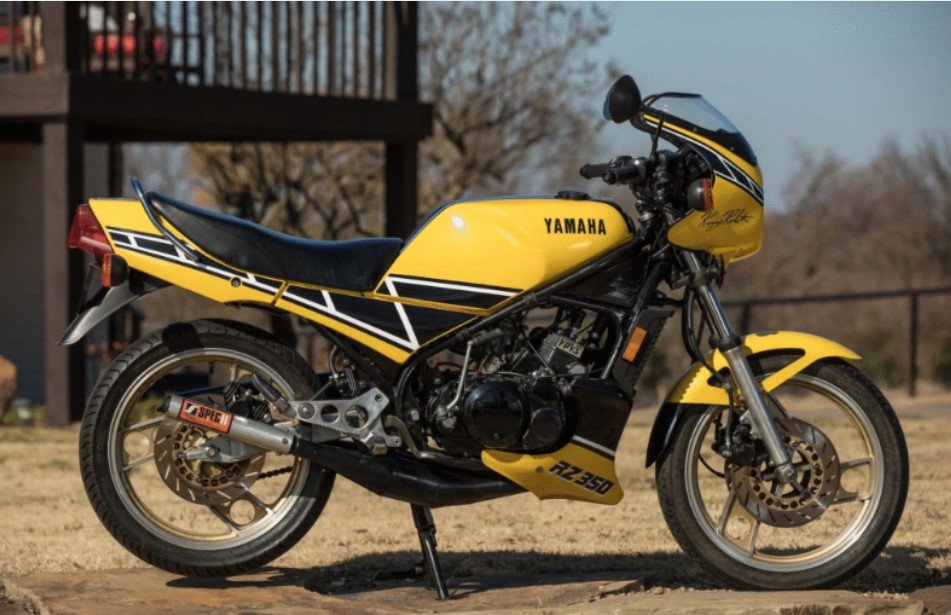
Few motorcycle components ignite as much passion as the escapamento RD. This uniquely tuned exhaust system, built for the iconic Yamaha RD series of two-stroke motorcycles, is more than a performance part—it’s a cultural symbol. In Brazil, Portugal, and beyond, the escapamento RD has become legendary for its piercing sound, raw performance, and deep connection to rider identity. Whether you’re restoring a vintage RD125 or drag-racing a tuned RD350, the exhaust is the heart—and voice—of your machine.
In this comprehensive guide, we explore everything about escapamento RD—from its engineering and history to its cultural impact and future in 2025 and beyond.
What Is Escapamento RD?
The phrase escapamento RD combines two vital elements from the motorcycle world:
- Escapamento: Portuguese for “exhaust system.”
- RD: Yamaha’s iconic Race Developed two-stroke motorcycle series, including models like RD125, RD250, RD350, and RD400.
Together, escapamento RD refers to the performance exhaust systems designed specifically for Yamaha RD motorcycles. These exhausts aren’t just functional—they shape how the bike performs, sounds, and feels.
Origins of the Yamaha RD Series – Where It All Began
Yamaha introduced the RD series in the early 1970s with one goal: bring race-developed performance to the streets. These bikes featured lightweight frames and high-revving two-stroke engines. RD models gained instant popularity thanks to their speed, tunability, and aggressive nature.
- “RD” stands for “Race Developed”
- Known for: Simplicity, power-to-weight ratio, and modification potential
- Popular models: RD125, RD250, RD350, and RD400
In Brazil, where two-stroke culture thrived, the RD quickly became a favorite. Riders modified engines and customized escapamentos to squeeze out every ounce of performance. The exhaust system wasn’t just a component—it was a performance-tuning platform.
The Function of Escapamento RD in Two-Stroke Engines
Two-stroke engines differ significantly from their four-stroke counterparts, and the exhaust plays a central role in performance. A well-designed escapamento RD can significantly boost horsepower, improve throttle response, and create that unmistakable RD scream.
Key Functions of Escapamento RD:
| Function | Technical Role | Performance Impact |
|---|---|---|
| Gas Expulsion | Removes burned gases | Prevents power loss and backpressure |
| Airflow Optimization | Creates scavenging effect | Improves combustion efficiency |
| Acoustic Identity | Resonance tuning via expansion chamber | Produces signature RD sound |
| Heat Management | Cools engine exhaust path | Enhances engine reliability and performance |
Unlike four-stroke engines, two-strokes fire once every revolution, requiring exhaust systems to optimize airflow through pressure wave manipulation. That’s where the expansion chamber in the RD exhaust becomes critical.
Stock vs. Aftermarket Escapamento RD – Performance & Customization
Stock Escapamento RD:
- Designed for balance: legal noise levels, emissions, and reliability
- Suited for daily riding and factory-tuned performance
Aftermarket Escapamento RD:
- Focus on performance gains and sound enhancement
- Popular among street racers and restoration enthusiasts
- Typically include larger expansion chambers and tuned outlet pipes
- Horsepower gains of 10–20% are common with proper tuning
In Brazil during the 80s and 90s, a booming aftermarket industry emerged. Local workshops built custom RD exhausts by hand, often optimized for drag racing or city torque. Today, riders continue to modify or fabricate exhausts for personalized performance and sound.
Sound of the Escapamento RD – Not Just Noise, But Legacy
If there’s one thing everyone remembers about an RD, it’s the sound.
The two-stroke scream produced by a tuned escapamento is sharp, aggressive, and exhilarating. As RPMs climb, the exhaust pulses resonate, producing an iconic howl that’s both nostalgic and unmistakable.
“It’s not just noise—it’s the soundtrack of rebellion,” says veteran Brazilian tuner, Lucas Moreira.
This sound became synonymous with freedom, youth, and speed, especially in urban areas where RDs roared through neighborhoods. Today, enthusiasts still upload exhaust sound clips on YouTube and forums, preserving the memory and emotion of that unique tone.
Tuning and Performance – How Escapamento RD Transforms Your Ride
Tuning an escapamento RD is a blend of art and engineering. Riders can radically alter performance by adjusting the pipe’s:
- Length: Longer pipes improve low-end torque
- Diameter: Wider pipes support higher RPMs
- Shape: Impacts exhaust pulse timing and backpressure
Many Brazilian RD riders pair exhaust tuning with:
- Carburetor adjustments
- Port timing changes
- Lightweight pistons or high-compression heads
Advanced tuners even use simulation software to model exhaust behavior before welding a custom pipe. This blend of old-school craftsmanship and new-age engineering keeps the escapamento RD scene evolving.
Escapamento RD in Brazilian and Global Motorcycle Culture
In Brazil, the RD became a cultural phenomenon. It wasn’t just a bike—it was an identity. Tuning the escapamento was almost a rite of passage, and garages became gathering spots for riders to share tips, tools, and test runs.
Cultural Highlights:
- Custom RD exhausts used in illegal street races and drag strips
- Riders known by the sound of their exhausts
- Brazilian shops like Pro Tork and Coyote became known for RD parts
Globally, the Yamaha RD earned respect in Portugal, Japan, India, and beyond. In many regions, RD bikes and their escapamentos became symbols of mechanical freedom and performance.
Cultural Symbolism of Escapamento RD – More Than Metal
The escapamento RD transcends its mechanical purpose. It became:
| Cultural Element | Symbolism | Impact |
|---|---|---|
| Sound | Freedom, rebellion | Instant recognition and emotional trigger |
| Custom Design | Self-expression | Local identity and group belonging |
| Nostalgia | Teenage memories | Restoration trend, collector value |
| Racing Connection | Raw, visceral speed | Street race and track culture |
Owning a modified RD was like having a custom badge of honor. The unique sound of your bike could say more about you than any words ever could.
Common Problems and Maintenance Tips for Escapamento RD
Despite its allure, maintaining an RD exhaust takes effort—especially with aging bikes.
Common Issues:
- Carbon buildup: Two-stroke engines burn oil, leading to exhaust clogging.
- Rust: Most original pipes were mild steel, susceptible to corrosion.
- Leaks: Worn flanges or welds can degrade performance.
Maintenance Tips:
- De-carbonize regularly with heat treatment or chemical cleaners
- Apply rust-resistant coatings or chrome
- Repack mufflers to restore optimal sound and reduce noise fatigue
- Inspect welds and joints for cracks or air leaks
A clean, well-maintained escapamento RD not only performs better but preserves that signature RD roar.
Modern-Day Escapamento RD – Restoration, Innovation & Simulation
Even decades after Yamaha ended RD production, the escapamento RD remains a hot commodity among collectors and custom builders.
Trends in 2025:
- Restoration culture: Original and replica exhausts fetch high value
- 3D design & CNC manufacturing: Create perfect reproductions of classic parts
- Simulation tools: Apps and games now feature RD bikes with realistic sound profiles
YouTube is filled with restoration videos where enthusiasts revive rusted RDs, tuning and rebuilding escapamentos to OEM specs or race-performance levels.
Why Escapamento RD Still Matters in 2025
The RD era may be over, but the escapamento lives on—for good reason:
- Mechanical Legacy: A masterclass in two-stroke tuning
- Acoustic Identity: No sound like it in modern motorcycles
- Engineering Education: Great learning tool for tuners and hobbyists
- Cultural Memory: Connects generations of bikers
- Global Movement: Still celebrated in forums, events, and online communities
Challenges, Regulations & Criticism
While iconic, the escapamento RD faces growing scrutiny:
Legal & Environmental Concerns:
- Noise complaints: Urban areas increasingly regulate exhaust decibels
- Pollution: Two-strokes emit more hydrocarbons than modern engines
How Enthusiasts Adapt:
- Use removable silencers or insert baffles for legal compliance
- Tune bikes responsibly and avoid residential disturbances
- Explore closed-track use for modified RDs
Balancing heritage with regulation is key to keeping the escapamento RD part of today’s motorcycling world.
Future of Escapamento RD – Where Do We Go From Here?
The road ahead for escapamento RD is both nostalgic and innovative:
- Restoration – Collectors building museum-quality bikes using original-style exhausts.
- Retro-Inspired Design – EV and hybrid bikes may mimic RD aesthetics in the future.
- Digital Legacy – RD exhausts live on in VR apps, racing simulators, and AI tuning platforms.
Just like vinyl records and vintage guitars, the RD exhaust system continues to gain value—not just financially, but emotionally and culturally.
Final Thoughts
The escapamento RD is more than an exhaust—it’s a legacy, a sound, and a story. It shaped a generation of riders, especially in Brazil, and continues to inspire tuners, collectors, and two-stroke lovers in 2025.
Whether you’re rebuilding an RD350, chasing that perfect exhaust note, or watching vintage drag races on YouTube, the escapamento RD is alive and screaming. It’s a mechanical roar of rebellion, passion, and power—and for many, it will never be silenced.
FAQs About Escapamento RD
1. What is the best aftermarket escapamento RD brand?
Popular brands in Brazil include Pro Tork, Coyote, and Roncar, known for quality and performance.
2. Can I use a modern exhaust on an RD?
You can, but it’s best to use systems tuned for two-stroke dynamics. Custom-built pipes deliver optimal results.
3. Is it legal to ride an RD with a loud escapamento?
Depends on local regulations. Some areas restrict decibel levels—check your local laws.
4. Where can I buy RD exhaust replicas?
Specialist sites like Mercado Livre, eBay, and local motorcycle forums often have listings for both new and used parts.
5. Why do RD bikes sound so different?
Two-stroke engines fire every revolution, and the expansion chamber in the escapamento enhances resonance, creating a unique, high-pitched tone.
Visit for more information:- existingformore
 David
David