

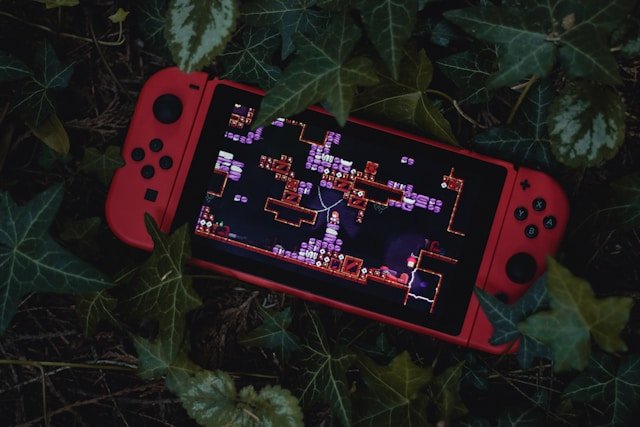
Celeste Pico 8 is one of the most iconic and beloved retro-style mini games ever created, serving as the original prototype for the award-winning Celeste. Although small in size, this PICO-8 version has left a remarkable impact on both fans and developers, offering fast-paced platforming, tight controls, and nostalgic 8-bit charm. Today, Celeste Pico 8 continues to attract players who enjoy its simple design, intense challenges, and historical connection to modern indie game development. This comprehensive guide explores the origins, mechanics, design philosophy, and lasting legacy of the Celeste Pico 8 experience.
Celeste Pico 8 may appear visually simple, but behind its minimalistic aesthetic is a masterpiece of game design. Built during a short development sprint, this version laid the foundation for one of the most celebrated indie games of all time. The mini game has become a cultural symbol of creativity, determination, and the spirit of game jams. Whether you’re a retro gaming enthusiast, a Celeste fan, or a developer seeking inspiration, understanding Celeste Pico 8 provides valuable insights into innovation within constraints.
The Origins of Celeste Pico 8 and Its Development Story
Celeste Pico 8 was created during a 4-day game jam by the developers who would later form the core team behind the full Celeste release. The PICO-8 console—an imaginative “fantasy console” designed for small, retro-styled games—provided the perfect environment for experimenting with platforming mechanics. With its strict limitations on memory, resolution, and sound, the console pushed creators to innovate intelligently.
The idea behind Celeste Pico 8 was not originally to create a major game but to produce something engaging within severe constraints. As the developers worked through the jam, they discovered a gameplay loop that felt compelling: tight jumps, quick resets, increasingly difficult rooms, and satisfying progression. This proved that a well-designed game does not need complex graphics or large budgets to be memorable and impactful.
After the success of the game jam version, Celeste Pico 8 became available to players as a charming standalone title. Many fans first encountered it after completing the full Celeste game, where the Pico 8 version is included as an in-game bonus. This added feature allowed players to explore the roots of the modern masterpiece and appreciate the evolution of the design process.
Also Read This:- KickAssAnime: A Look at the Recent Cloudflare ‘Suspected Phishing’ Incident and Its Impact
How Celeste Pico 8 Influenced the Full Celeste Game
The full Celeste game, released in 2018, retains the spirit of Celeste Pico 8 in its core mechanics and emotional tone. The developers used the mini game as a blueprint for movement, level design, pacing, and difficulty. What made Pico 8 so engaging was carried over into a larger, more polished experience.
Several key gameplay elements came directly from Celeste Pico 8. These include wall-jumping, air-dashing, room-based progression, and instant respawns after failure. The fast-paced retry system was one of the most important innovations, making each challenge feel fair and encouraging players to learn rather than get frustrated.
Even the narrative of climbing a mountain, though expanded in the full version, began conceptually in the Pico 8 mini game. The simple idea of overcoming obstacles, physically and mentally, shaped the storytelling approach of the later Celeste. The Pico 8 version helped the developers understand how to blend challenging gameplay with emotional meaning.
Also Read This:- The Storied Life of A.J. Fikry: A Heartfelt Journey Through Grief, Books, and Redemption
Gameplay Mechanics and Level Design in Celeste Pico 8
Celeste Pico 8’s gameplay centers around precise movement, quick reactions, and thoughtful planning. Although the controls are simple—move, jump, and dash—the way these abilities interact with the environment creates complex and rewarding challenges.
The level design is room-based, with each screen presenting a focused platforming puzzle. Players must understand the timing of jumps, the distance of dashes, and the placement of hazards. Spike traps, falling blocks, moving platforms, and narrow corridors demand precision. The game punishes mistakes instantly, but the respawn is so fast that players feel encouraged to keep trying without losing momentum.
The structure of Celeste Pico 8 emphasizes mastery. As players progress, rooms become more difficult, requiring advanced techniques like chaining dashes, wall climbing with perfect rhythm, and using momentum effectively. Each level introduces new mechanics gradually, making learning feel natural and intuitive.
Despite its simplicity, the game has a surprisingly deep skill ceiling. Expert players push for speedruns, challenge runs, and perfect clears. This longevity showcases the brilliance of its design: small, simple ideas can produce infinite replayability.
Also Read This:- Wallace and Gromit: Curse of the Were-Rabbit Movie – A Hilarious Stop-Motion Masterpiece
Visual and Audio Style: Minimalism Done Right
Celeste Pico 8 embraces the nostalgic charm of 8-bit graphics, with a tiny resolution and limited color palette. These limitations contribute to the game’s identity, evoking memories of early platformers while maintaining its own distinct personality. The use of bright colors and clear silhouettes ensures that players always understand what is safe and what is dangerous.
The music, composed using PICO-8’s synthetic sound tools, adds a lively and upbeat atmosphere. Though minimalist, the soundtrack captures the adventurous and hopeful tone of the climb. Every jump, dash, and collectible sparkles with sound cues that enhance the tactile feel of the game. The audio design greatly contributes to its addictive gameplay loop.
Through these artistic choices, Celeste Pico 8 demonstrates that minimalistic aesthetics can be powerful. When combined with strong mechanical foundations, simple visuals can still deliver an emotionally resonant and immersive experience.
Also Read This:- How to Host a Gimkit Game: Complete Guide for Educators and Students
Why Celeste Pico 8 Became a Cultural Icon
Celeste Pico 8 achieved cultural significance for several reasons. First, it represents the pure essence of creative experimentation. It was born from a short, intense burst of inspiration, proving that meaningful games can come from humble beginnings. This message resonates with aspiring developers who want to build something special without requiring large budgets or advanced tools.
Second, Celeste Pico 8 serves as a perfect example of how small prototypes can transform into larger masterpieces. The full Celeste game may have gained global acclaim, but the Pico 8 version remains a symbol of the original idea and the passion behind it. Many players appreciate the authenticity of this simple version and cherish it as a piece of gaming history.
Third, the game gained popularity because of its inclusion within the modern Celeste title. As fans completed the main story, they discovered the Pico 8 version and found it both charming and brutally challenging. This surprise bonus added depth to the full game and strengthened the connection between the two versions.
Finally, the growing interest in retro-style and minimalist indie games has helped Celeste Pico 8 remain relevant. Its design philosophy stands as a reference point for developers studying level design, difficulty balancing, and the effectiveness of simplicity.
Also Read This:- Extremely OK Games: The Complete 2025 Guide to the Studio, Its Philosophy, and Its Impact on Modern Gaming
The Lasting Legacy of Celeste Pico 8 in Indie Game Development
Celeste Pico 8 has influenced countless indie developers by demonstrating that constraints can fuel creativity. The PICO-8 platform continues to inspire new creators who admire how Celeste emerged from a limited development environment. Many game designers study the source code, mechanics, and structure of Celeste Pico 8 to learn how to build tight, responsive gameplay loops.
The game also plays a role in teaching programming fundamentals. PICO-8 encourages experimentation with small scripts and modular design, making it a valuable tool for learning. Celeste Pico 8 serves as one of the best examples of what can be achieved through careful planning and minimal resources.
Speedrunning communities have kept Celeste Pico 8 alive for years. Its quick action, short levels, and clear rules make it ideal for setting competitive records. This ongoing activity ensures that the game remains part of gaming culture long after its creation.
Celeste Pico 8 stands as a reminder that even the smallest project can grow into something extraordinary. It continues to inspire players, creators, and fans who are passionate about gaming as an art form.
Comparing Celeste Pico 8 to the Full Celeste Game
The full Celeste game expands nearly every aspect of Celeste Pico 8 while staying true to its original spirit. The modern version includes a deep narrative, longer levels, new mechanics, additional characters, and beautifully hand-crafted pixel art. The emotional storyline adds depth and meaning to the gameplay, creating a more holistic experience.
However, Pico 8 maintains its own charm. Many players appreciate its purity, small scale, and straightforward structure. It captures the essence of platforming without distractions. While the full Celeste experience is broader and more emotional, Pico 8 offers quick, intense, arcade-like action that appeals to competitive players.
Both versions complement each other perfectly. The full game showcases emotional storytelling and artistic detail, while Pico 8 demonstrates the mechanical foundations and design principles that made the modern version possible. Together, they tell a complete story of growth, creativity, and innovation.
Why You Should Play Celeste Pico 8 Today
There are many reasons why Celeste Pico 8 continues to attract new players. It is short, accessible, and endlessly replayable. Its minimalistic design makes it easy to pick up but challenging to master. For fans of retro platformers, it offers that nostalgic sensation of discovering a classic.
For players who enjoyed the full Celeste game, the Pico 8 version is an essential piece of history. It allows you to experience the roots of the mechanics and concepts that later became iconic. Playing both versions provides a deeper appreciation for the creative journey behind the franchise.
Developers and designers should experience Celeste Pico 8 for its educational value. It demonstrates how level design, challenge progression, and mechanical clarity can work together in perfect harmony. Many successful games have learned from its structure and pacing.
Whether you’re a casual gamer, a Celeste fan, or a creator who studies game design, Celeste Pico 8 remains a must-play experience.
The Enduring Popularity of Celeste Pico 8
Celeste Pico 8 remains popular because it is timeless. The game is built on principles that never grow old: responsive controls, fair difficulty, clear goals, and satisfying progression. These elements ensure that players always feel motivated to keep trying, improving, and enjoying the climb.
The ongoing interest in retro and minimalist games helps cement Pico 8’s place in modern gaming culture. Even as graphics evolve and hardware becomes more powerful, simple and well-designed games like Celeste Pico 8 continue to shine. They remind us that innovation does not require complexity, only passion and thoughtful craftsmanship.
The community surrounding Celeste Pico 8—from speedrunners to modders to fans—keeps the game alive with enthusiasm and creativity. Many players create challenges, custom versions, and guides that expand the experience even further. This shared excitement ensures that Celeste Pico 8 will be remembered as an important milestone in indie gaming.
Conclusion
Celeste Pico 8 is far more than a small retro-style game—it is a foundational piece of indie game history. Born from a 4-day jam and developed within the tight constraints of the PICO-8 fantasy console, it became the prototype for one of the most celebrated indie games of all time. Its precise mechanics, simple yet effective aesthetics, and endless replayability continue to inspire players and developers today.
By understanding Celeste Pico 8, we gain insight into creativity under limitations, the evolution of game design, and the power of small ideas that grow into masterpieces. This mini game remains a shining example of innovation, passion, and the enduring beauty of simplicity.
FAQs
What is Celeste Pico 8?
It is the original mini prototype of the full Celeste game.
How long does it take to beat Celeste Pico 8?
Most players finish it within one to two hours.
Is Celeste Pico 8 included in the full Celeste game?
Yes, it can be played as a bonus within the main game.
Is Celeste Pico 8 difficult?
Yes, it has challenging platforming and precise controls.
Why is Celeste Pico 8 still popular?
Its simple design and strong mechanics keep it timeless.
Visit for more information:- existingformore