

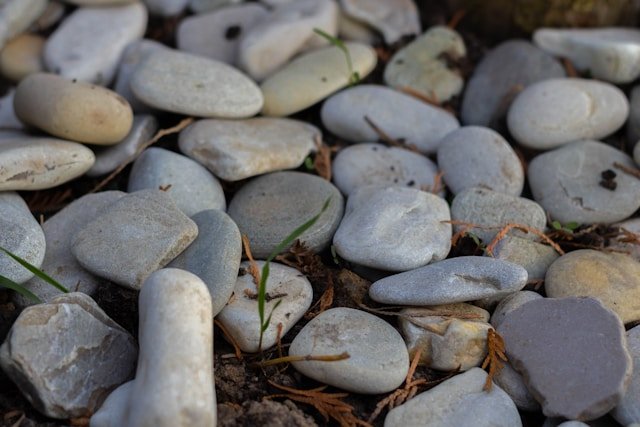
Landscaping Rocks are one of the most versatile and visually appealing elements you can add to an outdoor space. They bring structure, texture, and long-lasting beauty to gardens while reducing maintenance and water use. Whether your goal is a modern minimalist yard or a natural, earthy landscape, Landscaping Rocks offer endless possibilities in both function and design.
What Are Landscaping Rocks?
Landscaping Rocks are natural or processed stones specifically selected for outdoor design and functional landscaping purposes. These rocks come in many sizes, shapes, and textures, ranging from fine gravel to massive decorative boulders. Unlike organic materials, rocks do not decompose, making them a long-lasting option for homeowners seeking durability and minimal upkeep. In landscape design, these stones help create visual structure while supporting drainage, soil stability, and erosion control. Their natural appearance blends seamlessly with plants, water features, and architectural elements, giving outdoor spaces a balanced and polished look.
Types of Landscaping Rocks
There are many types of Landscaping Rocks, each serving a unique purpose. Gravel is commonly used for walkways and driveways due to its affordability and drainage properties. River rocks, known for their smooth and rounded appearance, are ideal for decorative borders and water features. Lava rocks are lightweight and porous, often used in garden beds for moisture retention. Flagstone provides flat, natural slabs perfect for patios and stepping paths. Boulders make bold statement pieces, while decorative stones add accent colors and texture to flower beds and landscapes.
Also Read This:- Best Scrapbooking Supplies: A Complete Guide for Creative and Lasting Projects
Common Uses of Landscaping Rocks
Landscaping Rocks are incredibly versatile and can be used in multiple areas of a yard. They are frequently installed along pathways to create stable walking surfaces and visual flow. Garden beds benefit from rock coverage as it suppresses weeds and retains soil moisture. Borders and edging made from rocks define spaces clearly and add contrast. Driveways use crushed stone for strength and drainage, while water features rely on river rocks to achieve a natural, flowing appearance. Accent stones are often placed around trees, patios, and seating areas for added style.
Benefits of Using Landscaping Rocks
One of the biggest benefits of Landscaping Rocks is their exceptional durability. They can withstand harsh weather conditions without breaking down. Rocks also require very little maintenance compared to mulch or grass, saving time and effort. Another key advantage is water conservation, as rock landscapes reduce the need for irrigation. Over time, the long lifespan of landscaping stone makes it a cost-effective investment. Additionally, rocks provide excellent drainage and soil protection, helping maintain a healthy outdoor environment.
Choosing the Right Landscaping Rocks for Your Yard
Selecting the right Landscaping Rocks depends on several factors, including climate, soil type, and design preferences. In areas with heavy rainfall, rocks that promote drainage are ideal. For hot climates, lighter-colored stones help reflect heat. Soil stability also plays a role, as heavier rocks can prevent erosion on slopes. Design style matters too—modern landscapes often use clean, angular stones, while natural gardens benefit from rounded river rocks. Functionality should always guide your final choice.
Landscaping Rocks for Aesthetic Appeal
From a design perspective, Landscaping Rocks dramatically enhance curb appeal. They introduce contrast between greenery and hardscape elements, creating visual interest. Color variation allows homeowners to complement plants and exterior structures. Texture is another key feature, as mixing smooth and rough stones adds depth to the landscape. Balanced placement of rocks helps guide the eye through the yard, making the overall design feel intentional and harmonious.
Functional Uses of Landscaping Rocks
Beyond appearance, Landscaping Rocks play an essential functional role. They are widely used for erosion control, especially on slopes and hillsides. Rocks also improve drainage by allowing water to pass through the soil without pooling. Weed prevention is another practical benefit, as rock coverage limits sunlight exposure to unwanted growth. In many landscapes, stones act as natural barriers, protecting plants and structures from soil displacement.
Landscaping Rocks vs. Mulch
When comparing Landscaping Rocks to mulch, several differences stand out. Rocks last significantly longer and do not require yearly replacement. While mulch adds nutrients to soil, it breaks down quickly and needs frequent maintenance. Rocks offer a cleaner and more modern appearance, especially in contemporary landscapes. Although the upfront cost of rock landscaping may be higher, its longevity often makes it more economical over time.
Installation Tips for Landscaping Rocks
Proper installation is essential to maximize the benefits of Landscaping Rocks. Begin by clearing the area and leveling the ground. A strong base layer, such as compacted soil or crushed stone, ensures stability. Landscape fabric is recommended to prevent weed growth. Edging materials help keep rocks in place and maintain clean borders. Careful placement and even distribution improve both functionality and appearance.
Maintenance and Care of Landscaping Rocks
Maintaining Landscaping Rocks is simple and minimal. Occasional cleaning with water removes dirt and debris. Over time, some rocks may shift and need repositioning, especially after heavy rain. Removing leaves and organic matter helps preserve their color and appearance. With basic care, landscaping stone continues to look attractive for many years.
Also Read This:- thelifestyleedge com: Redefining Modern Living With Purpose, Balance, and Insight
Cost Considerations for Landscaping Rocks
The cost of Landscaping Rocks varies depending on type, size, and quantity. Decorative stones and boulders tend to be more expensive, while gravel is usually budget-friendly. Transportation and installation can also affect overall pricing. Planning your design in advance and choosing locally available materials can help reduce expenses without sacrificing quality.
Conclusion
Landscaping Rocks offer a perfect blend of beauty, durability, and practicality for outdoor spaces. They enhance design, support functionality, and reduce long-term maintenance. Whether used for pathways, gardens, or decorative accents, landscaping stone provides a timeless solution for creating visually appealing and sustainable yards.
Frequently Asked Questions
What are the best Landscaping Rocks for low maintenance yards?
Gravel, river rocks, and decorative stone are excellent low-maintenance options due to their durability and minimal upkeep needs.
Are Landscaping Rocks environmentally friendly?
Yes, they help conserve water, prevent erosion, and reduce the need for chemical treatments.
Can Landscaping Rocks be used in small gardens?
Absolutely, smaller stones and gravel work well in compact spaces without overwhelming the design.
Do Landscaping Rocks attract pests?
Unlike mulch, rocks do not attract insects or rodents, making them a cleaner choice.
How long do Landscaping Rocks last?
With proper installation, they can last decades or even a lifetime.
Visit for more information:- existingformore