

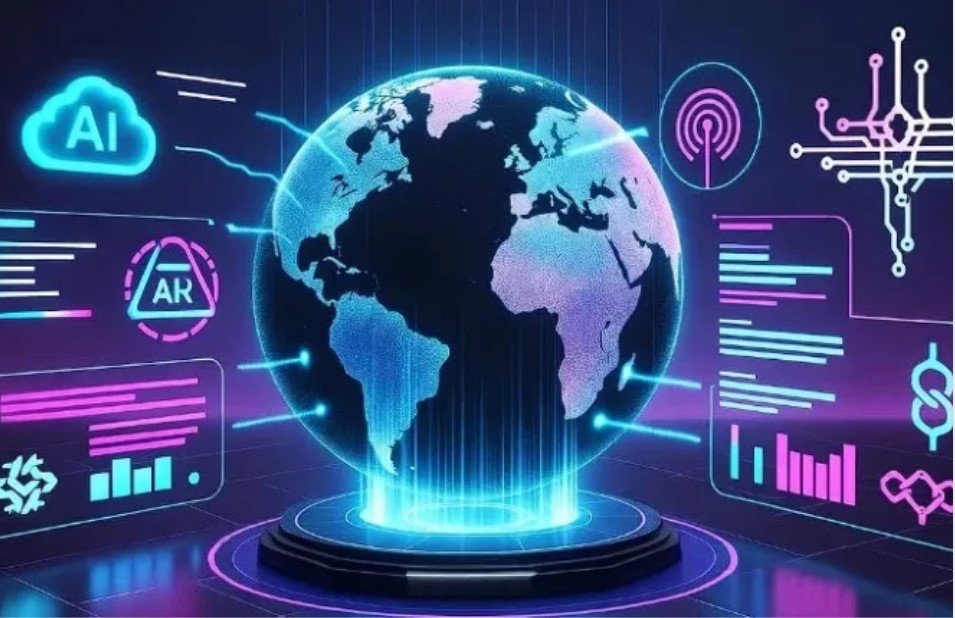
The digital era is undergoing a seismic transformation. With cutting-edge technologies shaping how we interact, design, and consume content, Gfxprojectality has emerged as a leading trend redefining innovation. A fusion of graphic projection and advanced computing, Gfxprojectality brings together immersive interfaces, artificial intelligence, real-time rendering, and cloud infrastructure to create dynamic and responsive digital environments.
Whether you’re a developer, digital designer, tech entrepreneur, or simply curious about next-generation experiences, understanding Gfxprojectality will help you grasp the tools and trends shaping the future of interactive technology.
Understanding the Concept of Gfxprojectality
At its core, Gfxprojectality refers to the convergence of graphic projection technologies with real-time interaction, powered by intelligent systems and scalable infrastructure. It’s where visual creativity meets smart computation, enabling highly immersive environments that can simulate reality or create entirely new dimensions.
Unlike static graphics or linear user interfaces, Gfxprojectality focuses on real-time visualization, data interaction, and context-aware environments. This means users aren’t just passive viewers—they are active participants in digital experiences.
Key Characteristics of Gfxprojectality
- Immersive Design: Realistic 3D visuals integrated into physical or digital environments
- Adaptive Intelligence: AI-driven personalization and interaction
- Cross-Device Accessibility: Powered by cloud-based delivery systems
- Interactivity: Users can manipulate and respond to digital elements in real-time
This evolution moves beyond traditional UI/UX paradigms and into dynamic, context-sensitive interfaces where environments adapt to user behavior.
The Evolution of Gfxprojectality in Technology
The emergence of Gfxprojectality is the result of years of progress in fields like:
- Real-time 3D rendering
- Artificial intelligence
- Cloud computing
- AR/VR technologies
- Data visualization tools
Originally limited to specialized industries like gaming or simulation, these technologies are now becoming mainstream and multi-industry, allowing professionals in education, architecture, healthcare, entertainment, and marketing to leverage Gfxprojectality for improved outcomes.
From Static Design to Immersive Experiences
In the early 2000s, designers relied heavily on 2D graphics and manual rendering. By 2015, real-time 3D environments became possible thanks to platforms like Unity and Unreal Engine. Now in the 2020s, we see the advent of mixed reality, AI-powered design automation, and multi-user collaborative environments, all forming the backbone of Gfxprojectality.
Core Technologies Driving Gfxprojectality
Gfxprojectality relies on an intricate ecosystem of software and hardware. These technologies enable scalable, real-time, and intelligent environments capable of transforming industries.
Key Technologies and Their Functions
| Technology | Function in Gfxprojectality |
|---|---|
| Real-Time Rendering Engines | Create high-fidelity visuals and simulations dynamically |
| Artificial Intelligence | Enables automation, behavior prediction, and personalization |
| Cloud Computing | Supports scalable deployment and collaboration |
| AR/VR Devices | Interfaces for immersive interaction |
| GPUs & Specialized Hardware | Handle computation-heavy visual processing |
The integration of these technologies results in environments where users can engage, create, and analyze data within immersive and intuitive ecosystems.
How AI Shapes the Gfxprojectality Ecosystem
Artificial Intelligence is more than a supporting feature—it’s central to the Gfxprojectality framework. Through AI, digital environments become:
- Responsive to user behavior
- Efficient in rendering and optimization
- Personalized based on user profiles and actions
AI tools are now used to automate repetitive design tasks such as:
- Procedural generation of textures and models
- Lighting and physics simulation
- Predictive interaction models
For example, AI in Gfxprojectality can dynamically adjust lighting conditions in a virtual store based on user preferences, creating a unique experience for every visitor.
Augmented Reality (AR) and Virtual Reality (VR) in Gfxprojectality
Augmented and virtual reality are fundamental to the immersive aspect of Gfxprojectality. While AR overlays digital elements onto the physical world, VR fully immerses users in a digital realm. Together, they power applications that span across:
- Healthcare simulations
- Architectural walkthroughs
- Interactive learning environments
- Immersive retail and brand experiences
Use Case Example:
A furniture brand using Gfxprojectality can allow users to virtually place products in their homes via AR, then enter a VR showroom to explore full design collections in a life-sized space.
The result is a seamless blend of physical and digital—driven by user control and interactive feedback.
Cloud Infrastructure and Scalability
One of the key enablers of Gfxprojectality is the rise of cloud computing. Creating and rendering immersive environments requires significant processing power. Cloud platforms enable:
- Real-time rendering offloaded to powerful remote servers
- Global access to applications and assets
- Collaboration across devices and geographies
- Reduced hardware requirements for end users
Cloud-based Gfxprojectality solutions democratize access, allowing businesses of all sizes to implement immersive technologies without massive upfront investments.
Design Industry Transformation with Gfxprojectality
For creative professionals, Gfxprojectality means leaving behind traditional 2D tools for interactive, real-time design environments.
Designers can:
- View projects from multiple perspectives instantly
- Simulate environmental conditions (light, wind, sound)
- Collaborate with clients inside virtual mockups
This accelerates the design feedback loop, reduces miscommunication, and enables faster innovation.
Example:
An architectural firm can present a virtual model of a skyscraper to clients, allowing them to walk through the building in VR and suggest changes in real time. This transforms static CAD models into experiential decision-making tools.
Architecture and Real Estate Applications
The real estate industry is rapidly adopting Gfxprojectality to improve visualization and client engagement.
Common Use Cases:
- Virtual property tours for remote buyers
- 3D blueprints that update dynamically based on client feedback
- Interior design customization using AI-generated mockups
With this, potential buyers or tenants can experience a property before it’s built, make informed choices, and personalize their future spaces.
Education and Training Through Immersive Design
Gfxprojectality is transforming education by enabling experiential learning. Students can move beyond textbooks into interactive simulations.
Examples of Gfxprojectality in Education:
- Medical training simulations that allow practice without risk
- Engineering labs in VR for experimenting with systems and mechanics
- Virtual historical tours that bring lessons to life
The same benefits apply to corporate training, where employees can simulate real-world scenarios—such as operating machinery or handling emergencies—safely and repeatedly.
Entertainment and Media Innovation
Entertainment is at the forefront of Gfxprojectality adoption. From game development to live performance, immersive technology is redefining storytelling and audience engagement.
Impact Areas:
- Games with adaptive environments
- Concerts enhanced with interactive projections
- Movies produced with real-time virtual sets
These advancements create personalized entertainment experiences, where each user’s journey can vary depending on their actions and choices.
Marketing and Experiential Branding
Gfxprojectality has unlocked new levels of consumer engagement in the world of marketing.
Brands are now creating:
- Interactive installations at events
- Immersive product showcases in AR
- Gamified brand experiences using VR
These applications offer higher engagement, emotional impact, and longer-lasting brand impressions.
Example:
At a car launch event, a brand can offer VR test drives, letting users explore vehicle features interactively. This not only entertains but educates, boosting purchase intent.
Data Visualization Reimagined
In a world overwhelmed by data, Gfxprojectality provides spatial, 3D visualizations that make complex data intuitive and interactive.
Analysts can:
- Walk through large datasets in 3D
- View connections in real time
- Simulate outcomes based on variable inputs
This has applications in:
- Finance (risk modeling)
- Logistics (supply chain optimization)
- Science & research (genomic or environmental mapping)
Such immersive analytics accelerate decision-making and help uncover insights that flat dashboards may miss.
Challenges in Adopting Gfxprojectality
While the potential is immense, Gfxprojectality adoption comes with hurdles:
- High initial development costs
- Technical complexity
- Lack of standardization in tools and formats
- Skill gaps in immersive design and development
These challenges are real but fading fast. As tools become more user-friendly and hardware becomes more accessible, the entry barrier is lowering for businesses and creators alike.
Future Prospects: Where Is Gfxprojectality Heading?
Looking forward, Gfxprojectality will continue to evolve with advancements in:
- AI and machine learning
- Quantum computing
- Edge computing
- 5G and IoT integrations
We’ll see greater use in:
- Smart city infrastructure
- Remote collaboration platforms
- Virtual economies and digital twins
Gfxprojectality isn’t a fleeting trend—it’s a fundamental shift in how we design, communicate, and interact with the digital world.
Why Businesses Should Prioritize Gfxprojectality Now
Organizations that invest early in Gfxprojectality are positioning themselves to:
- Deliver more engaging user experiences
- Accelerate product development
- Reduce training and prototyping costs
- Gain competitive market differentiation
Whether you’re in retail, healthcare, education, or construction, adopting immersive tech is no longer optional—it’s a pathway to future-proofing your business.
Conclusion: Embracing the Gfxprojectality Movement
Gfxprojectality is redefining how we perceive and interact with technology. By merging real-time graphics, AI, AR/VR, and cloud capabilities, it enables a more immersive, intuitive, and interactive digital future.
From educators creating smarter classrooms to marketers building deeper brand relationships, the possibilities are vast. While challenges exist, the rapid pace of technological innovation ensures that Gfxprojectality will soon be as essential as websites were in the early 2000s.
By understanding and embracing this transformation, both individuals and organizations can remain innovative, agile, and ahead of the curve.
Frequently Asked Questions About Gfxprojectality
What does Gfxprojectality mean?
Gfxprojectality is a fusion of graphic projection, real-time interaction, and immersive technologies like AI, AR, and VR to create dynamic digital experiences.
Is Gfxprojectality only for tech companies?
No. It applies across industries—from education and real estate to marketing, healthcare, and entertainment.
What tools are used in Gfxprojectality development?
Common tools include Unity, Unreal Engine, Blender, AI APIs (like OpenAI or NVIDIA), and cloud platforms like AWS and Azure.
How expensive is it to implement Gfxprojectality?
Costs vary depending on scale, but cloud infrastructure and open-source tools are helping reduce the barrier to entry.
Will Gfxprojectality replace traditional design?
Not replace—but enhance. It offers new dimensions of interactivity and realism that static designs can’t provide.
Visit for more information:- existingformore